The Nature of Luck in Gambling
Luck is a fundamental component in the realm of gambling, particularly in casinos where games are predominantly driven by chance rather than skill. This unpredictability is part of what makes gambling appealing to many. Players enter the casino hoping to strike it rich, and their success hinges significantly on the whims of fate. For instance, a player might win a jackpot on their first spin, while another might spend hours without hitting any significant win. As they explore options like australian online casino payid , this variance creates an exhilarating atmosphere that draws people in, making them feel that luck could tip the scale in their favor at any moment.
Moreover, luck plays a critical role not just in the short-term outcomes of individual games but also shapes the overall experience of gambling. For example, during a night of poker, a player may experience a hot streak where they consistently win against their competitors due to favorable hands dealt by fortune. This can lead to a dynamic environment at the table where confidence rises, and players push their limits, sometimes leading to unexpected victories. The psychological effects of luck can significantly influence players’ behavior, leading them to believe they are on a winning streak, which can encourage further play and investment.
While skill can certainly improve a player’s odds in most casino games, the foundation of success still often rests on the advantageous twists of fate. Gamblers frequently recount stories of how luck turned their encounters into successes, reinforcing the idea that, despite strategies and skills, a fortunate roll of the dice or the turn of a card can be the defining moment of their gambling experience. This interplay of luck and strategy adds depth to the casino landscape, making it complex and unpredictable.
The Illusion of Control
Many players believe they can influence luck through various strategies or rituals, such as focusing on specific numbers, launching dice in a certain way, or even wearing lucky charms. This illusion of control can be powerful. Gamblers often feel more empowered when they engage in these practices, creating a sense of agency in an environment that is fundamentally unpredictable. By believing they can attract luck, players may be more willing to place higher stakes or extend their playtime, which can sometimes lead to unexpected successes.
This phenomenon highlights the psychological aspect of luck in gambling. Casino environments are carefully designed to create an exhilarating atmosphere, filled with sights and sounds that stimulate the senses and enhance the belief in luck. Bright lights, celebratory sounds for wins, and the thrill of the chase can further entrench the idea that luck is just around the corner. Such an environment draws players into a cycle where emotion and belief in luck can sometimes outweigh logic and rationality.
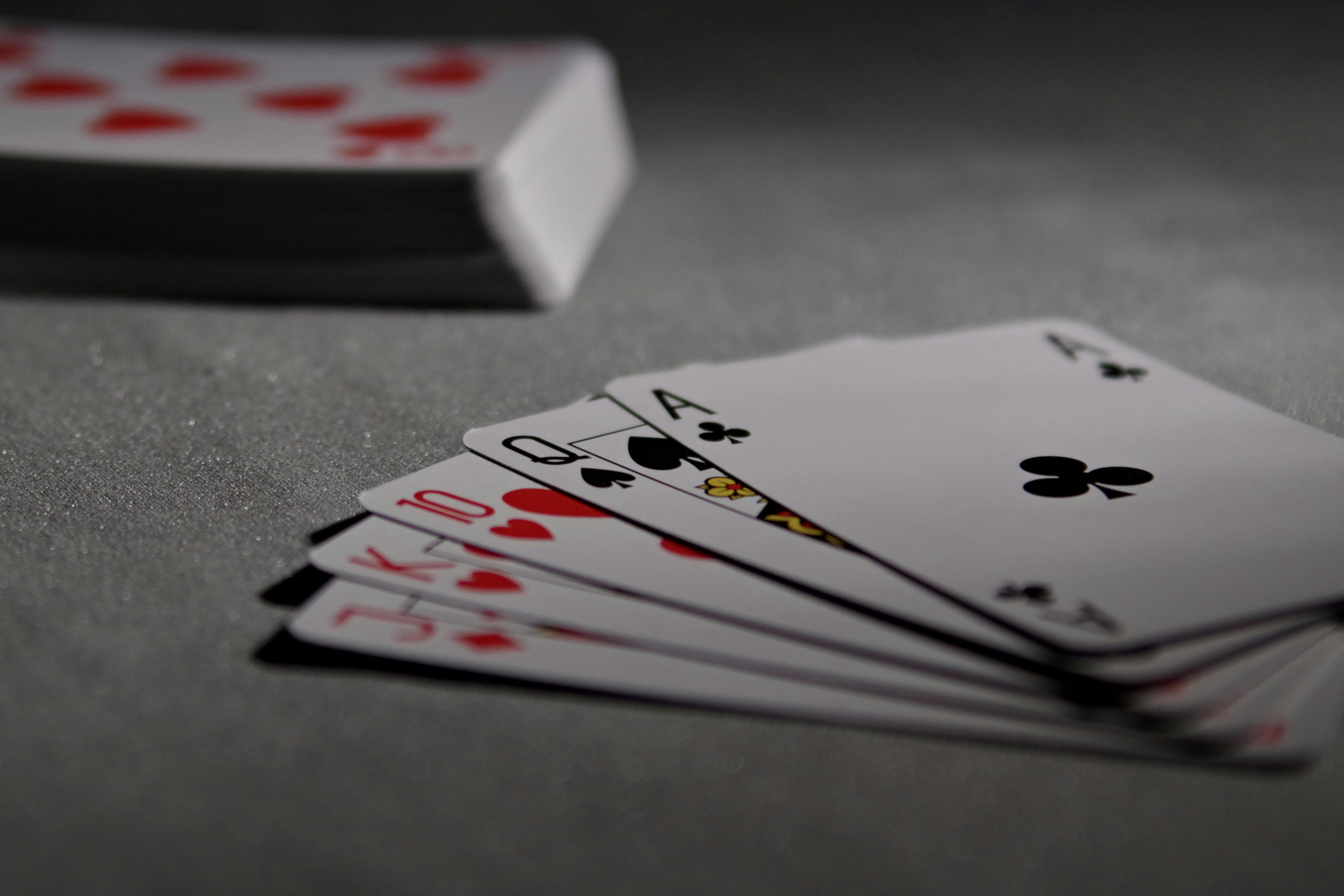
However, it is essential for players to recognize the distinction between luck and long-term success in gambling. While fortunate runs can create memorable experiences and significant wins, the inherent nature of casino games means that luck will eventually ebb and flow. Those who understand this balance may enjoy their time more fully, embracing the experience rather than solely focusing on potential outcomes. This acceptance can lead to healthier gambling habits and a more enjoyable experience overall.
The Role of Randomness in Casino Games
The design of casino games is inherently rooted in randomness. Random Number Generators (RNGs) in slot machines and the shuffle of cards in table games ensure that no two outcomes are ever the same. This randomness is crucial for maintaining the element of luck in gambling. It creates a level playing field, as every player, regardless of their skill level, has the same chance of hitting it big on any given turn. This unpredictability is part of what attracts players to games like slot machines, where a single spin can lead to life-changing winnings.
The excitement generated by these random outcomes is why players often return to casinos. Each visit holds the potential for a new, luck-fueled story that they can share. Whether it’s a chance encounter at a game table or the pull of a slot machine lever, the randomness of the outcomes keeps the thrill alive. Additionally, this system ensures that casinos can maintain their edge while providing players with the hope of success driven by luck.
Understanding the role of randomness in casino games can also help players manage their expectations. Realizing that luck plays a significant role in outcomes can lead to a healthier relationship with gambling. Players can enjoy the experience of the game without succumbing to the pressures of needing to win. When players recognize that luck is not a guarantee but a fleeting element, they can better embrace the journey of playing rather than solely focusing on the destination of winning.
Luck and Player Behavior
The influence of luck on player behavior in casinos is notable. When players experience good fortune, they tend to exhibit more confidence, often taking bigger risks in hopes of amplifying their winnings. This behavior can lead to a cycle where the thrill of winning drives players to continue gambling, feeding the notion that luck is on their side. The social dynamics of casinos also play a role, as players rally around winners, reinforcing the belief in collective luck, further encouraging others to join in.
Conversely, bad luck can lead to frustration and negative emotions, prompting some players to chase losses, which can be detrimental. This behavior can result in extended gambling sessions that stray from enjoyment into desperation. Many casinos are aware of this psychology and use it to their advantage, designing their environments to maximize the potential for players to remain engaged for longer periods. The interplay of luck and player psychology is a delicate one, affecting both the player’s experience and the casino’s profitability.
Educating players about the psychological impacts of luck and the importance of responsible gaming can help mitigate the negative aspects of gambling. When players understand the transient nature of luck, they can approach their gaming experiences with a mindset that values enjoyment over solely financial outcomes. This knowledge fosters a healthier gambling culture within casinos, encouraging sustainable playing habits that benefit both players and operators.
Exploring the World of Casinos Online
With the rise of technology, online casinos have revolutionized the gambling experience, offering convenience and accessibility to players worldwide. In these digital spaces, luck continues to be a dominating force, as players spin virtual reels and play card games designed to be just as unpredictable as their brick-and-mortar counterparts. The shift to online platforms has also introduced new elements of luck, such as bonuses and promotions that can significantly enhance a player’s experience.
Online casinos utilize sophisticated algorithms to ensure fairness and randomness in games, maintaining the integrity of luck as a crucial component. Players can enjoy various games from the comfort of their homes, relishing the same thrill and occasional windfall as in traditional settings. This evolution reflects the enduring appeal of luck in gambling, as players continue to chase winning moments, regardless of their playing medium.
Moreover, the online gambling environment provides a wealth of resources for players to enhance their understanding of luck and strategies. Many online casinos offer guides and tips to help players navigate their gaming experiences, emphasizing the importance of responsible gambling practices. With increased access to information, players can approach their gameplay with better-informed decisions about how to manage their expectations and embrace the uncertainty of luck.